Whether you’re installing gutters for the first time or replacing old, damaged ones, proper installation is essential. A gutter system isn’t just about aesthetics; it helps keep moisture moving away from the house, protecting siding, doors, windows and foundations. But if you’re not experienced with this type of work, it might be better to let a professional do the job. When it comes to professional nj gutter installation , you can always contact to our team
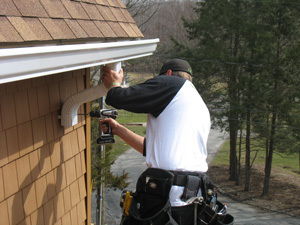
Among the most important things you must consider when constructing a gutter system is creating the slope — or “fall” — that keeps rainwater flowing toward downspouts rather than standing in places where it could cause damage. This can be accomplished by using a level and a tape measure. For ideal drainage, you want about one inch of fall for every 20 feet of run.
Start by placing a reference mark on the fascia where you’re going to hang the gutter. Then, go down the fascia about 20 feet and make a second mark an inch lower than the first one. Connect the marks with a chalk line to create a guide for where your gutters should fall.
Then, using a level and a tape measure, figure out how long your gutter assembly — including the couplers and downspouts — needs to be. Once you know how much gutter material you’ll need, cut it to length on the ground, if possible, before mounting it on the house. This will reduce your time spent on a wobbly ladder and help you get accurate measurements.
Once you’ve finished cutting the gutter sections, fasten them to the fascia with either short sheet-metal screws or pop rivets. The latter are more attractive and leave no sharp piunts on the inside of the gutter.
You should also install a pair of hidden hangers to brace the gutters. These can be affixed at the same time you hang the gutters, adding additional support and preventing the gutters from pulling away from the fascia.
If your gutters have been in place for a while and are clogged, test for clogs by flushing out the downspouts. If the clogs are due to a poorly pitched gutter, you will need to re-pitch them.
Gutter components are available in both aluminum and steel, with aluminum being less expensive and more common. Steel systems, however, are more durable and carry 25- to 40-year corrosion warranties and come with life-time paint warranties. If you’re installing steel gutters, you may need to re-paint them periodically to maintain the color. Both aluminum and steel expand and contract at different rates, so they are less likely to crease or warp when you fasten them together. However, when splicing two lengths of gutter together, you should cover the joint with a strip miter seam sealer to ensure it remains watertight.
Leave a Reply